
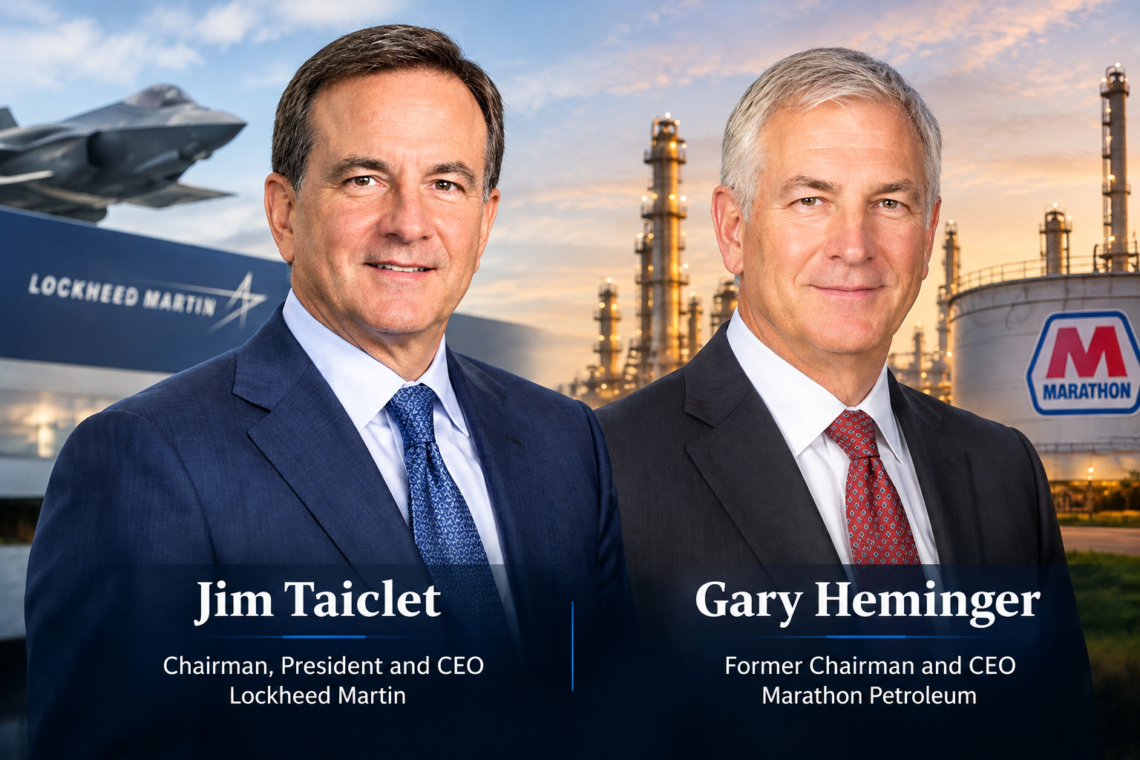
Jim Taiclet and Gary Heminger: Two Leaders Shaping Different Industries
Jim Taiclet and Gary Heminger represent two different paths to leadership in American business. Taiclet is associated with aerospace, defense technology, and communications infrastructure, while Heminger built his career in the petroleum and energy industry. Although their professional backgrounds differ, both demonstrate the importance of strategic thinking, operational knowledge, and long-term planning. Their careers also reflect how business leaders must respond to technological change, economic uncertainty, and evolving public expectations while maintaining the stability and competitiveness of major industrial organizations.
Jim Taiclet’s Professional Journey and Leadership Philosophy
Jim Taiclet, whose full name is James D. Taiclet, developed a professional background that combines military experience with corporate leadership. Before entering the business world, he served as a United States Air Force officer and pilot. This experience exposed him to the importance of technical precision, teamwork, and decision-making in demanding environments. Later, he moved into corporate management, bringing a practical understanding of aviation and complex operating systems to his executive responsibilities.
His career included leadership at American Tower Corporation, a company specializing in communications infrastructure. In 2020, Taiclet became president and chief executive officer of Lockheed Martin, subsequently becoming chairman in 2021. His leadership has involved navigating a rapidly changing defense environment in which digital engineering, artificial intelligence, advanced aircraft, and integrated technology systems play increasingly important roles.
Gary Heminger’s Career in Energy and Petroleum
Gary Heminger established his reputation through a long career at Marathon, where he developed experience across several business functions. Joining the organization in 1975, he worked in areas that included finance, marketing, business development, and transportation. This broad professional exposure helped him understand how different departments contribute to the performance of a large energy company.
Heminger became president and chief executive officer of Marathon Petroleum in 2011 and chairman in 2016. During his leadership, the petroleum industry faced changing fuel demand, fluctuating commodity prices, infrastructure challenges, and growing discussions about environmental responsibility. He retired from Marathon Petroleum’s leadership in 2020. His career illustrates the value of organizational knowledge and the ability to manage businesses whose operations depend on extensive physical infrastructure.
Comparing Jim Taiclet and Gary Heminger
Although these executives worked in different industries, comparing their backgrounds helps explain how leadership priorities change according to business conditions.
| Category | Jim Taiclet | Gary Heminger |
|---|---|---|
| Main industry | Aerospace and defense | Petroleum and energy |
| Notable company | Lockheed Martin | Marathon Petroleum |
| Professional background | Military aviation and corporate management | Energy operations and business management |
| Major leadership role | Chairman and CEO of Lockheed Martin | Former chairman and CEO of Marathon Petroleum |
| Key business challenges | Defense innovation, technology, supply chains | Refining operations, energy markets, infrastructure |
Their experiences demonstrate that effective leadership depends partly on understanding the technical and commercial realities of a particular industry. However, both careers also highlight the importance of communication, planning, and the ability to coordinate large organizations.
How Technology and Energy Influence Their Leadership
The industries associated with Taiclet and Heminger occupy important positions in the American economy. Aerospace and defense organizations support national security through sophisticated equipment, communications systems, and technological development. As a result, companies such as Lockheed Martin must balance innovation with reliability, manufacturing capacity, and long-term customer commitments.
Energy companies face a different set of responsibilities. Refineries and transportation networks help supply the fuels required by aviation, logistics, manufacturing, and other essential activities. At the same time, energy businesses must respond to price volatility, operational risks, environmental expectations, and changes in consumer demand.
Despite these differences, both industries depend on reliable infrastructure and skilled employees. Therefore, leaders must consider not only immediate financial performance but also the investments required to maintain competitiveness over time.

The Importance of Experience in Corporate Decision-Making
One interesting aspect of these careers is the different ways the executives developed their expertise. Taiclet combined military service with experience in communications infrastructure and aerospace leadership. His professional background provided exposure to several environments where technology and operational performance are closely connected.
Heminger, by contrast, developed his expertise through decades of experience within the energy sector. His progression through different functions gave him an understanding of the relationships between finance, commercial strategy, and day-to-day operations.
Neither career path represents the only route to executive success. Instead, their experiences demonstrate that leadership can develop through different combinations of specialized knowledge, practical experience, and strategic responsibility. Ultimately, an executive’s effectiveness depends on applying that experience to the challenges facing the organization.
Corporate Responsibility and the Human Side of Leadership
Large companies influence more than shareholders and financial markets. Their decisions also affect employees, suppliers, customers, and communities. In the defense sector, engineering teams and manufacturing workers contribute to projects that may require years of research, testing, and production. In the energy industry, employees maintain facilities and transportation networks that require consistent attention to safety and reliability.
Consequently, corporate leadership involves responsibilities that extend beyond financial results. Executives must establish clear priorities, support capable teams, manage risks, and consider the wider effects of business decisions. Furthermore, they must communicate effectively during periods of uncertainty, particularly when technological developments or economic conditions require significant organizational changes.
The careers of Taiclet and Heminger offer different perspectives on these responsibilities. Their professional experiences illustrate why effective management requires both commercial judgment and an understanding of the people responsible for delivering results.
What Their Careers Reveal About American Business
American corporate leadership is often associated with rapid growth, innovation, and high-profile executives. However, the experiences of Jim Taiclet and Gary Heminger show that business success can emerge through different professional journeys.
Taiclet’s career reflects the movement between military aviation, communications infrastructure, and advanced defense technology. Heminger’s career highlights the value of deep industry experience and familiarity with complex industrial operations. Although their approaches developed in different circumstances, both careers demonstrate the importance of adapting to changing markets while maintaining operational discipline.
Moreover, their stories highlight the relationship between industry and society. Defense technology, energy infrastructure, and industrial investment influence employment, national priorities, and economic development. Leaders in these fields therefore operate within a wider environment in which business decisions can have consequences beyond the companies themselves.
Conclusion: Different Careers, Shared Lessons in Leadership
Jim Taiclet and Gary Heminger built their professional reputations in different sectors, yet their careers offer several common lessons about leadership. Both illustrate the importance of experience, informed decision-making, operational reliability, and long-term planning. Their backgrounds also demonstrate that executives can develop valuable leadership skills through different routes, whether by combining experience across industries or building extensive knowledge within one organization.
Ultimately, the comparison between these two figures provides a broader understanding of American business. Industries may differ in their technologies, markets, and responsibilities, but successful leadership consistently requires the ability to understand complex challenges, guide teams, and prepare organizations for change. Their professional journeys offer a useful perspective on how experience and strategic thinking continue to shape major industrial enterprises.