
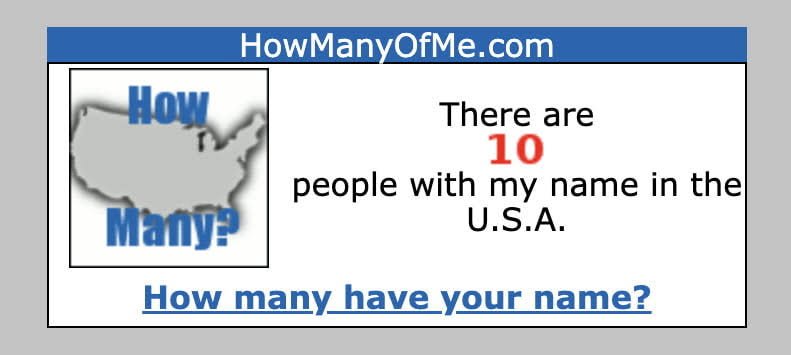
How Many of Me: Understanding the Curiosity Behind Shared Names
How many of me is a question that reflects a surprisingly human curiosity: how many other people share my name, and what does that reveal about my identity? In a world connected through digital platforms, databases, and social networks, discovering people with the same name has become easier than ever. However, this simple search can lead to deeper questions about individuality, personal history, and the ways names connect strangers across different places, cultures, and generations.
Why People Search for Others Who Share Their Name
People search for their names online for several reasons. For some, the motivation is simple curiosity, while others want to understand how common their names are in their country or around the world. Additionally, people may be interested in discovering whether someone with the same name has achieved public recognition, written a book, or established a professional career.
As a result, the question how many of me can represent more than a search for numbers. It can become an opportunity to explore personal identity and understand how an ordinary name connects an individual to a much larger community.
The Meaning Behind a Name in a Connected World
Names are among the first things people learn about one another. They carry family traditions, cultural influences, linguistic histories, and sometimes religious or regional significance. Therefore, sharing a name with another person does not necessarily mean sharing the same background or experiences.
Moreover, naming traditions differ considerably across cultures. Some communities favor names passed down through generations, whereas others embrace modern spellings or distinctive combinations. Consequently, a name that appears unusual in one country may be relatively common somewhere else.
This diversity makes searching for people with matching names particularly interesting. Although two individuals might have identical first and last names, their stories can be completely different. Their names create a connection, but their experiences establish their individuality.
How Many of Me Websites Work
Online name-search tools can help users explore how frequently a particular name appears in available records. Depending on the website, the results may draw on public directories, demographic information, historical records, or other datasets.
However, it is important to understand that these tools do not necessarily provide a complete count of everyone who shares a name. Records may be outdated, incomplete, or limited to particular countries. Furthermore, different spelling conventions, middle names, abbreviations, and changes of surname can affect the results.
Therefore, a result should be treated as an estimate rather than a definitive statement about how many people exist with a particular name. The quality of the underlying data matters just as much as the number displayed on the screen.
What Makes a Name Common or Rare?
The popularity of a name depends on several factors, including geography, language, cultural traditions, and historical trends. For example, a surname associated with a large family group may appear frequently in one region but rarely in another.
First names also change in popularity over time. Names favored by one generation may become less common among younger people, while names associated with popular cultural figures can experience renewed interest. Similarly, migration introduces names into new communities, gradually changing the distribution of names across countries.
When exploring how many people share a name, it is therefore useful to consider location and time period. A worldwide estimate may tell a different story from a count limited to one city or country.
The Difference Between Sharing a Name and Sharing an Identity
Finding another person with the same name can be amusing, surprising, or even confusing. Nevertheless, a matching name alone cannot establish that two people are related or have any other personal connection.
This distinction becomes especially important in professional settings and online searches. Two individuals may have identical names while working in entirely different industries, living on separate continents, or belonging to different generations. Without additional reliable information, it is easy to mistake one person for another.
For that reason, anyone researching a namesake should verify relevant details before drawing conclusions. Professional biographies, official organizational pages, and other trustworthy sources can help distinguish individuals without relying on a name alone.
How Social Media Has Changed Name Searches
Social media has made it easier to discover people who share our names. Search engines and social platforms can reveal profiles, professional achievements, creative projects, and public conversations connected to particular names.
At the same time, these searches have limitations. Not everyone maintains a public profile, and many people use nicknames, initials, or alternative spellings. Consequently, a search that returns only a handful of results does not prove that only a handful of people share that name.
Furthermore, online visibility is not the same as real-world popularity. A person who appears frequently in search results may simply have a strong digital presence. Someone else with the identical name may live a private life and leave little information online.
Privacy Matters When Exploring People With Matching Names
Curiosity about names should be balanced with respect for personal privacy. Although certain information is publicly accessible, combining different records can sometimes create misleading impressions or expose details that individuals would prefer to keep private.
Therefore, it is sensible to use reputable name-search resources and avoid publishing personal information about strangers without a legitimate reason. In particular, matching names should never be treated as sufficient evidence of someone’s address, family relationships, employment, or other sensitive details.
Responsible searching also means recognizing uncertainty. If two profiles appear similar, verify their identities through appropriate public sources rather than assuming they belong to the same individual.
Why the Question Has a Deeper Human Meaning
At first glance, asking how many people share our name seems like a straightforward numerical exercise. Yet the question touches on a broader tension between belonging and individuality. People want to understand where they fit into society, while also hoping to be recognized as distinct individuals.
A shared name can create an unexpected sense of connection. It reminds us that something deeply personal can also be common to thousands of strangers. However, that shared label cannot capture the memories, relationships, ambitions, and choices that make each life different.
In this sense, discovering a namesake offers an interesting perspective on identity. We may share words, cultural references, or even family naming traditions with others, but our individual experiences continue to shape who we become.
Frequently Asked Questions
What does how many of me mean?
The phrase generally refers to finding out how many other people share your name. It may also describe curiosity about namesakes, name popularity, and personal identity.
Can an online tool tell me exactly how many people share my name?
Not necessarily. Most tools depend on particular datasets, which may be incomplete or restricted to specific regions. Their results should be understood as estimates unless the provider explains how a complete count is established.
Why do so many people have the same full name?
Naming traditions, popular first names, common surnames, and shared cultural backgrounds all contribute to name duplication. As populations grow, it becomes increasingly likely that unrelated individuals will have identical names.
Is it safe to search for people with my name?
Generally, searching reputable public sources is reasonable. However, users should respect privacy, avoid sharing sensitive personal information, and verify identities before assuming that search results refer to a particular person.
Conclusion: A Shared Name, an Individual Story
The question how many of me begins with curiosity about names but ultimately opens a wider discussion about identity, culture, technology, and human connection. Online tools can provide useful clues about the popularity of a name, yet their results rarely tell the whole story.
Ultimately, a name is both a personal identifier and a cultural inheritance. It may connect us to countless strangers, but it does not define the entirety of our lives. Each person gives their name meaning through individual experiences, relationships, achievements, and choices. That is what makes the search interesting: even when names are shared, every human story remains distinct.