
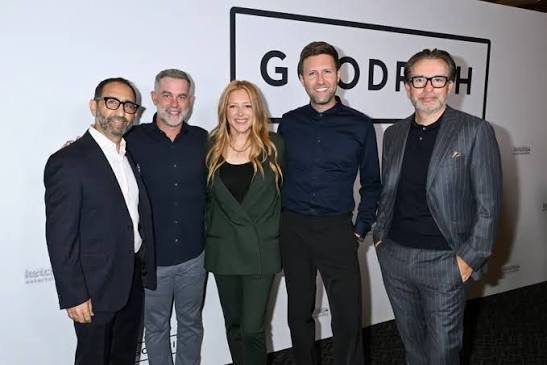
Mary Barra and Steve Carell: An Introduction to Two Remarkable Careers
Mary Barra and Steve Carell come from different professional worlds, yet their careers offer an intriguing perspective on success, public recognition, and the power of influence. Barra is a prominent automotive executive known for leading General Motors, while Carell is an acclaimed actor and comedian whose performances have shaped modern television and film comedy. Although no widely documented professional partnership connects them, exploring their careers together reveals how leadership and creativity can influence people in very different ways.
Who Are Mary Barra and Steve Carell?
Mary Barra has established her reputation in the automotive industry through decades of experience at General Motors. As CEO, she has overseen important strategic discussions about electric vehicles, technological development, manufacturing, and the future of transportation. Her career also represents a significant milestone for women pursuing senior positions in traditionally male-dominated industries.
Steve Carell, meanwhile, is an American actor, comedian, and producer recognized for his versatility across television and cinema. His portrayal of Michael Scott in The Office brought him widespread popularity, while dramatic performances in films such as Foxcatcher and The Big Short demonstrated his range. Together, these professional profiles illustrate two different ways individuals can build lasting reputations.
A Quick Comparison of Their Professional Backgrounds
| Category | Mary Barra | Steve Carell |
|---|---|---|
| Profession | Business executive | Actor, comedian, and producer |
| Best known for | Leading General Motors | Playing Michael Scott in The Office |
| Major achievement | Becoming GM’s CEO in 2014 | Establishing a successful career in comedy and drama |
| Primary field | Automotive manufacturing and technology | Television, film, and entertainment |
| Wider contribution | Corporate leadership and industry transformation | Storytelling and popular culture |
Although their accomplishments belong to different fields, both careers demonstrate the importance of experience, adaptability, and collaboration. However, their responsibilities and measures of success remain distinct.
Mary Barra’s Path to Automotive Leadership
Mary Barra’s career at General Motors began when she was a student, and she gradually advanced through engineering, manufacturing, and management positions. This progression gave her firsthand experience of the company’s operations before she assumed its highest executive role.
In January 2014, Barra became CEO of General Motors, making history as the first woman to lead a major global automaker. Her appointment represented an important moment for corporate representation, particularly within an industry that had traditionally seen fewer women in its most senior positions.
Since then, her leadership has involved navigating significant changes in transportation. Electric vehicles, battery technology, software, and evolving consumer expectations have become increasingly important to automakers. Consequently, Barra’s professional responsibilities extend beyond traditional manufacturing and include decisions about how an established company prepares for a changing industrial landscape.
Steve Carell’s Rise From Comedy to Dramatic Storytelling
Steve Carell developed his career through performances that combine expressive humor with an understanding of ordinary human behavior. His portrayal of Michael Scott in The Office became one of his most recognizable roles because the character balanced professional incompetence with a genuine desire for acceptance.
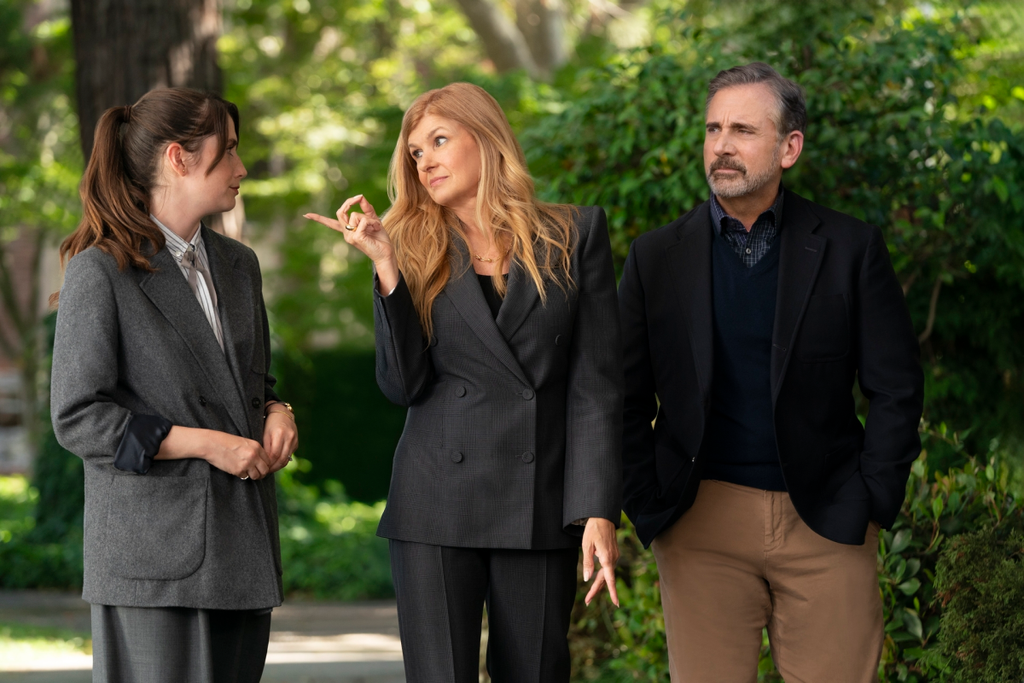
The series transformed familiar workplace situations into comedy. Awkward meetings, office politics, misunderstandings, and strained relationships became sources of entertainment, yet they also reflected experiences that many viewers recognized from their own working lives.
Carell later expanded his professional range through dramatic projects. His performances in Foxcatcher and The Big Short demonstrated his ability to approach more complex material. As a result, his career illustrates how performers can move beyond a defining role without abandoning the qualities that initially attracted audiences.
Leadership and Performance: Different Forms of Influence
Corporate leadership and acting may appear unrelated, but both depend on communication, preparation, and an understanding of human behavior. Nevertheless, the ways these skills are applied differ considerably.
For Barra, communication involves explaining business priorities, managing expectations, and helping a large organization respond to technological and economic pressures. Her decisions can affect employees, suppliers, customers, investors, and communities connected to automotive production.
Carell influences audiences through characters and stories. His performances can make viewers laugh while encouraging them to recognize familiar social habits, including the desire for approval or the difficulty of managing professional relationships. Therefore, his work provides cultural insight rather than the direct organizational authority associated with Barra’s position.
Their careers demonstrate that influence does not follow one universal model. In business, it may emerge through strategic decisions and institutional responsibility; in entertainment, it often develops through memorable performances and shared cultural experiences.
The Workplace as a Connection Between Business and Entertainment
One particularly interesting theme linking their professional worlds is the workplace. For Barra, it is a complex environment involving engineering, manufacturing, logistics, management, and technological development. For Carell, it has often served as a setting for exploring the personalities and relationships that make professional life unpredictable.
The Office became popular partly because it portrayed the workplace as a social environment rather than simply a place where tasks are completed. Its characters seek recognition, struggle with authority, and form friendships under sometimes uncomfortable circumstances.
In contrast, General Motors illustrates the real-world complexity of organizational performance. A major automaker depends on cooperation among thousands of employees with different responsibilities and expertise. Ultimately, both perspectives highlight how workplace culture influences people’s experiences, although one approaches the subject through corporate reality and the other through fictional storytelling.
Reinvention and the Challenge of Adapting to Change
Professional growth frequently requires people to reconsider established methods and explore unfamiliar opportunities. Barra’s career reflects this challenge because the automotive industry continues to evolve through electrification, software integration, and changing transportation needs.
Leading an established manufacturer through such changes requires long-term planning, investment, and careful assessment of risks. Moreover, innovation must be balanced with existing business responsibilities, including production, customer expectations, and financial performance.
Carell’s career offers a creative example of adaptation. Rather than limiting himself to comedy, he has explored dramatic roles that demand different forms of performance. This transition helped establish a professional identity broader than his television success.
Although the challenges differ, both careers demonstrate that reinvention is not necessarily a rejection of earlier achievements. Instead, it can be a way of building on existing experience while responding to new possibilities.
Representation, Recognition, and Public Expectations
Mary Barra’s career has significance beyond her corporate position because her appointment challenged traditional expectations about who leads major industrial organizations. Her experience has become part of broader discussions about women’s representation, professional advancement, and leadership opportunities.
However, representation involves more than reaching a prominent position. It also includes the opportunities available to future generations and the organizational cultures that shape professional development.
Carell’s public influence operates through entertainment. His work has contributed memorable characters and widely recognized situations to contemporary popular culture. In particular, his performances have helped make workplace behavior a recurring subject of humor and discussion.
Nevertheless, both careers depend on contributions from others. Barra works alongside engineers, managers, and employees, while Carell collaborates with writers, directors, performers, and production teams. Recognizing these relationships provides a fuller understanding of how professional accomplishments are achieved.
What Their Careers Reveal About Modern Success
The careers of Mary Barra and Steve Carell challenge the idea that success must follow a single path. Barra’s work involves strategic thinking, organizational accountability, and decisions that affect a large industrial enterprise. Carell’s career depends on creativity, collaboration, interpretation, and the ability to connect with audiences.
At the same time, both operate in environments where expectations change. Automotive executives must respond to technological developments and market conditions, while performers navigate evolving audience interests and competitive creative industries.
Furthermore, public recognition represents only one part of professional achievement. Behind a successful executive are teams responsible for implementing decisions, and behind an effective performance are many creative professionals whose contributions may receive less attention. This broader perspective makes success less about individual visibility and more about sustained contribution.
Frequently Asked Questions
Are Mary Barra and Steve Carell related?
There is no widely documented public information establishing a family relationship between Mary Barra and Steve Carell.
Have they worked together on a project?
No prominent joint professional project between them is widely documented. They are known primarily for their separate careers in business and entertainment.
What is Mary Barra’s greatest professional distinction?
She became CEO of General Motors in January 2014 and was the first woman to lead a major global automaker.
What made Steve Carell famous?
Carell gained widespread recognition for playing Michael Scott in the American version of The Office. His subsequent film work further established his reputation as a versatile performer.
Conclusion: Two Different Paths, One Broader Perspective
Mary Barra and Steve Carell represent two distinct forms of achievement. Barra’s career highlights the responsibilities of leading a major company through industrial transformation, while Carell’s work demonstrates how entertainment can capture familiar human experiences and turn them into enduring cultural references.
Their stories do not depend on a direct professional connection. Instead, the value of examining them together lies in understanding how leadership and creativity influence the world in different ways. One shapes an organization through strategy and decision-making; the other shapes audience experiences through storytelling and performance.
Ultimately, their careers remind us that professional success can take many forms. Whether through technological innovation or memorable entertainment, lasting influence often comes from adapting to change, developing expertise, working with others, and making a meaningful contribution to one’s chosen field.