
Introduction to voozon.com
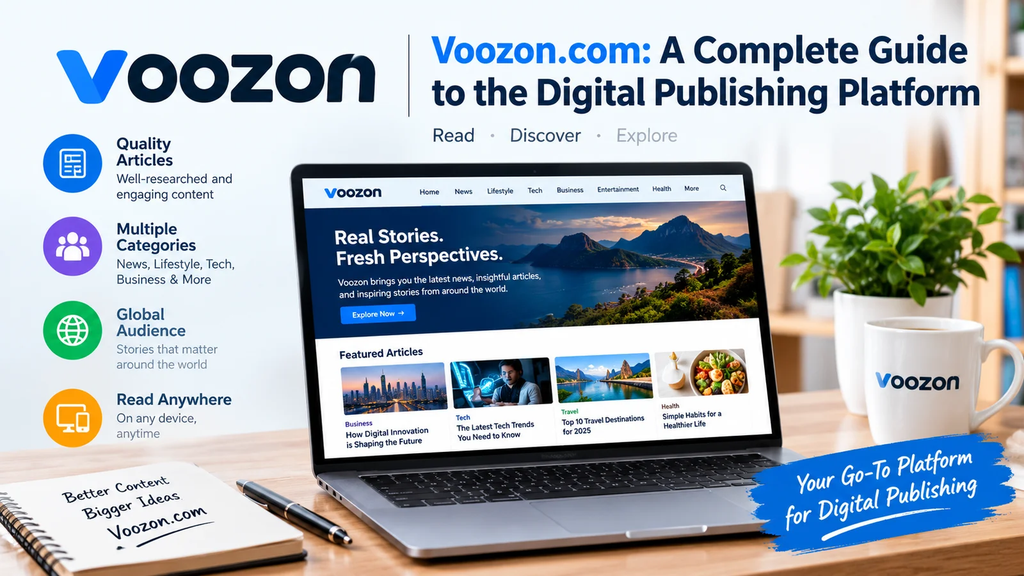
voozon.com represents the kind of website that attracts attention in today’s growing digital world, where readers search for information and writers look for opportunities to share their knowledge. Understanding a website requires looking beyond its name and exploring its purpose, content, and potential audience. For visitors discovering voozon.com, the important questions concern what the platform offers, how its content may be useful, and what readers should consider before relying on information found online.
Understanding the Purpose of voozon.com
Every website serves a particular purpose, whether it provides educational resources, publishes articles, promotes services, or connects people with information. To understand voozon.com, visitors should begin by exploring its homepage, available categories, and published material. These elements can help establish the website’s general direction and intended audience. However, a domain name alone cannot explain the full nature of a platform. Therefore, examining its actual pages provides a more reliable understanding than making assumptions based solely on its name.
Exploring the Content and Reading Experience
A website becomes valuable when its content helps readers answer questions, discover new ideas, or understand unfamiliar subjects. When exploring voozon.com, readers can assess whether its articles offer clear explanations, relevant examples, and information that matches their interests. Additionally, an organized layout can make it easier to navigate between subjects and identify useful resources. Nevertheless, presentation should not replace substance. Well-written content needs to communicate accurate information, maintain logical structure, and provide enough context for readers to understand the topic independently.
Why Website Credibility Matters
Online information is available in enormous quantities, but not every published statement deserves equal confidence. Readers should evaluate the credibility of any website by considering its transparency, editorial practices, and the quality of its sources. For example, an informative article should distinguish verifiable facts from personal opinions and support important claims with suitable evidence. Similarly, clear contact information and accessible privacy policies can help visitors understand how a website operates. These checks are especially important when content concerns health, finance, legal matters, or other consequential decisions.
The Importance of Original Content in Digital Publishing
Original content gives a publication its distinctive voice and helps readers discover perspectives that are not simply repeated across other websites. Rather than rewriting existing material with minor changes, effective writers develop their own explanations, examples, and interpretations. This approach also improves the reading experience because each article can respond directly to the audience’s questions. Furthermore, originality involves more than changing individual words; it requires independent thinking, responsible research, and a clear purpose. Websites that prioritize these principles are better positioned to create meaningful relationships with their readers.
How Writers Can Approach Online Publishing
Online publishing offers writers an opportunity to communicate knowledge, develop professional skills, and reach audiences beyond their immediate communities. Before contributing to any platform, writers should review its submission guidelines, editorial expectations, and publication terms. They should also confirm whether contributions must be exclusive and whether any fees or promotional conditions apply. Most importantly, a successful article should serve readers first. Clear language, useful examples, reliable references, and thoughtful organization create a stronger foundation for publication than promotional wording or excessive keyword repetition.
Making Better Decisions About Websites
Exploring an unfamiliar website can be useful when approached with a balanced perspective. Visitors should consider what information they need, whether the material answers their questions, and whether important claims can be confirmed through independent sources. In addition, readers should avoid sharing unnecessary personal information or making payments before understanding the relevant terms. These precautions do not automatically indicate that a website is unsafe; rather, they represent sensible digital habits. By applying the same standards consistently, users can navigate the internet with greater confidence and make more informed choices.
Conclusion: Looking Beyond a Website’s Name
voozon.com offers an opportunity to consider how readers evaluate websites in an increasingly crowded online environment. A domain’s real value depends not simply on its name or appearance, but on the quality of the information it provides and the transparency of its operations. Ultimately, readers benefit from remaining curious while checking important claims, and writers benefit from creating original material that respects their audience. This balanced approach makes online exploration more meaningful and encourages a digital publishing environment built around usefulness, responsibility, and trust.