Introduction: John Wayne and Maureen O’Hara
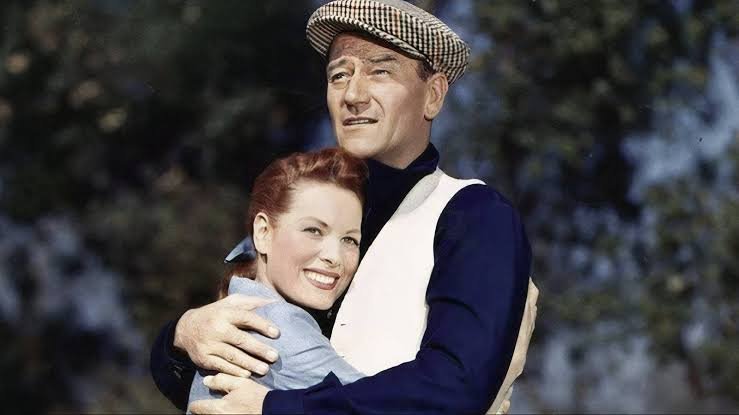
John Wayne and Maureen O’Hara created a remarkable screen partnership that continues to attract admirers of classic Hollywood cinema. Their performances combined humor, confidence, emotional intensity, and memorable storytelling. Although both actors enjoyed successful careers independently, their collaborations added a distinctive chapter to their professional lives. From romantic stories set in Ireland to action-filled Westerns, they demonstrated how contrasting personalities could create compelling entertainment. Their connection also extended beyond their shared performances, becoming a story of friendship, mutual respect, and a lasting contribution to film history.
How Two Different Personalities Created Cinematic Magic
John Wayne built his reputation through characters who represented courage, independence, and determination. His commanding presence made him particularly successful in Westerns and military dramas. Maureen O’Hara, meanwhile, became known for her expressive acting, striking screen presence, and portrayals of strong-willed women. Rather than simply complementing Wayne’s characters, she often challenged them, creating energetic exchanges that made their scenes memorable.
Their different acting styles became one of their greatest strengths. Wayne frequently communicated emotion through restraint, while O’Hara brought intensity and directness to her performances. Consequently, their shared scenes could move naturally between disagreement, humor, tenderness, and reconciliation. This balance helped distinguish their partnership from more predictable Hollywood pairings.
The Films That Established Their Partnership
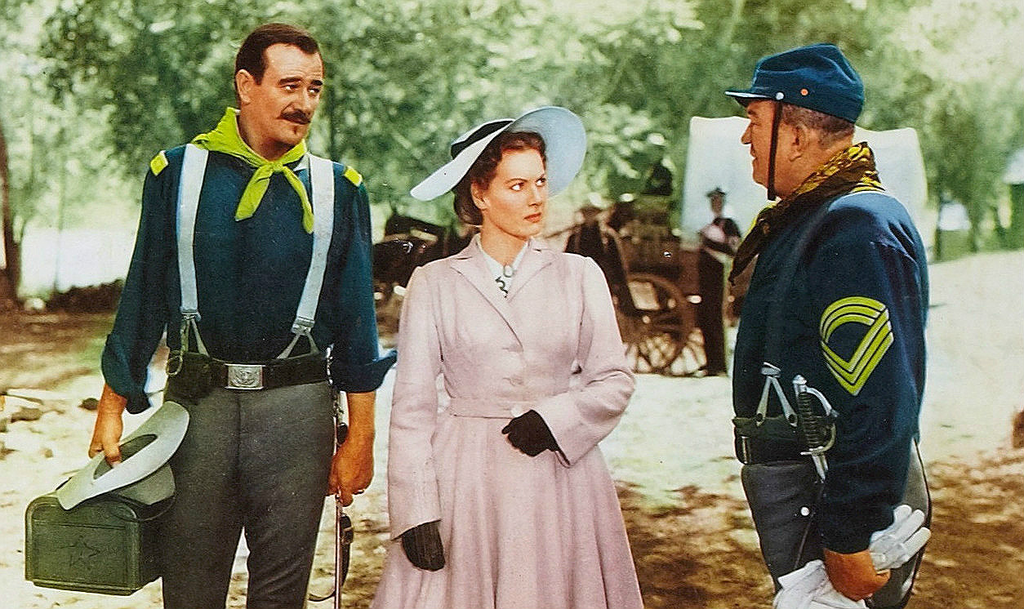
Their first film together was Rio Grande, released in 1950 and directed by John Ford. The Western introduced audiences to the combination of military duty, family conflict, and personal emotion that would appear in several of their later collaborations. Wayne played a cavalry officer, while O’Hara portrayed his estranged wife. Their characters’ complicated relationship gave the action a meaningful emotional foundation.
Two years later, they reunited for The Quiet Man, a film that became closely associated with both actors. They subsequently appeared together in The Wings of Eagles, McLintock!, and Big Jake. Each production explored different aspects of their screen relationship, allowing their performances to develop without relying on precisely the same formula.
The Quiet Man: A Film That Defined an Era
Released in 1952, The Quiet Man remains one of the most celebrated collaborations between John Wayne and Maureen O’Hara. Set in rural Ireland, the film follows Sean Thornton, an American who returns to his birthplace and develops a relationship with Mary Kate Danaher. Their romance unfolds amid family disagreements, local traditions, and contrasting ideas about independence and marriage.
O’Hara’s portrayal of Mary Kate gives the story much of its personality. Her character expresses her opinions openly and expects to be treated with dignity. Meanwhile, Wayne presents Sean as a man attempting to reconcile his past with a new life. Their exchanges create a mixture of comedy, romantic tension, and emotional complexity.
The film’s countryside setting also contributes to its distinctive atmosphere. Green landscapes, village gatherings, and community traditions give the story a cultural identity beyond its central romance. Moreover, John Ford’s direction combines visual beauty with character-driven storytelling, helping the film remain recognizable to generations of viewers.
Beyond Romance: Their Versatility in Other Films
Although audiences frequently associate the pair with romantic comedy, their other collaborations reveal a wider range. In The Wings of Eagles, released in 1957, Wayne portrayed naval aviator Frank Wead, while O’Hara played his wife. The story examines ambition, family obligations, and the challenges created by a demanding professional life.
In McLintock! (1963), their partnership took a more comedic direction. Wayne played a wealthy rancher, while O’Hara portrayed his estranged wife. Their frequent disagreements drive the comedy, although modern audiences may also notice how the film reflects the gender expectations of its time.
Their final shared feature film was Big Jake, released in 1971. This Western placed family loyalty and a rescue mission at the center of its narrative. By then, both performers had established extensive careers, yet their familiar screen presence remained an important part of the film’s appeal.
Were John Wayne and Maureen O’Hara a Couple in Real Life?
Their convincing performances sometimes led audiences to wonder whether their on-screen romance reflected a real-life relationship. However, John Wayne and Maureen O’Hara were not married to each other and did not have a romantic relationship. O’Hara spoke publicly about their close friendship and rejected suggestions that they had been lovers.
Their connection was rooted in professional respect and personal affection. They understood each other’s acting styles and developed a comfortable working relationship through repeated collaborations. As a result, their performances could convey intimacy without requiring a romantic relationship outside the films.
Their personal lives followed separate paths. Wayne married several times, while O’Hara married aviator Charles F. Blair in 1968. Understanding this distinction makes their partnership no less interesting; instead, it highlights how friendship and artistic compatibility can create convincing performances.
Why Their Screen Partnership Still Matters
The continuing interest in their films reflects more than nostalgia for an earlier Hollywood era. Their collaborations offer a way to explore changing ideas about romance, family, masculinity, and independence. Wayne’s characters often represented established social values, whereas O’Hara’s characters frequently questioned expectations and insisted on having their own voices.
Their films also reveal how much a memorable partnership depends on the interaction between performers. Strong dialogue and an engaging story matter, but so does the ability to respond naturally to another actor. Wayne and O’Hara brought contrasting energies to their scenes, allowing conflict to become a source of humor and emotional depth.
At the same time, modern viewers can appreciate these films while recognizing the historical attitudes they sometimes portray. Looking at classic cinema critically does not diminish its artistic importance. Rather, it allows audiences to understand both its achievements and its limitations.
Frequently Asked Questions
How many films did John Wayne and Maureen O’Hara make together?
They appeared together in five feature films: Rio Grande, The Quiet Man, The Wings of Eagles, McLintock!, and Big Jake.
Which movie best represents their partnership?
The Quiet Man is the film most strongly associated with their collaboration because it combines their contrasting performances with romance, comedy, and an evocative Irish setting.
Were John Wayne and Maureen O’Hara close friends?
Yes. O’Hara described their relationship as a close friendship, and she publicly denied that they had been romantic partners.
What made their performances distinctive?
Their contrasting screen personalities created lively interactions. Wayne often projected quiet authority, while O’Hara brought expressive confidence and independence to her characters.
Conclusion: A Legacy Built on Talent and Friendship
John Wayne and Maureen O’Hara left a lasting impression on cinema through a partnership that combined individual talent with genuine professional compatibility. Their five shared films explored romance, family tension, adventure, and comedy, revealing different dimensions of their abilities. Although The Quiet Man remains their best-known collaboration, their other productions demonstrate that their appeal extended beyond a single story or genre.
Ultimately, their legacy rests on the memorable characters they created and the energy they brought to the screen. Their friendship also provides an important reminder that cinematic chemistry does not need to depend on a real-life romance. Through contrasting personalities, mutual respect, and memorable performances, they helped create a body of work that continues to invite discussion and appreciation.