Introduction
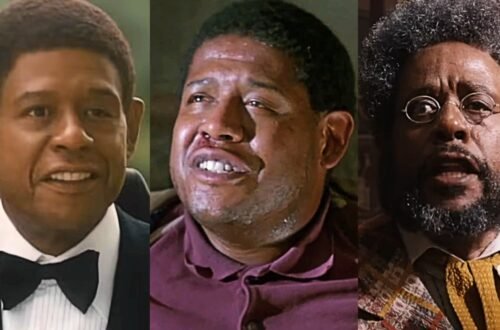
Pele and Ryan Lance represent two very different worlds, yet their careers offer an interesting perspective on leadership, influence, and the ways individuals shape public life. Pele, the legendary Brazilian footballer, became a global symbol of sporting excellence, national pride, and cultural connection. Ryan Lance, meanwhile, is known for his leadership in the international energy industry as the chairman and chief executive of ConocoPhillips. Although their professional paths rarely intersect, examining Pele and Ryan Lance together highlights how achievement can take different forms across sport, business, and society.
Who Are Pele and Ryan Lance?
Pele and Ryan Lance are notable figures whose reputations developed in distinct professional environments. Pele, born Edson Arantes do Nascimento in Brazil in 1940, transformed football through his remarkable talent and international success. Ryan Lance built his career in the petroleum industry, eventually becoming one of the prominent executives in the global energy sector. While one became famous through performances on the football pitch and the other through corporate leadership, both illustrate how individual decisions and sustained commitment can influence organizations, communities, and public conversations.
A Quick Look at Their Backgrounds
| Figure | Who he is | Known for |
|---|---|---|
| Pele | Brazilian football legend, born Edson Arantes do Nascimento | Winning three FIFA World Cups with Brazil and becoming an international ambassador for football |
| Ryan Lance | American energy executive and ConocoPhillips chairman and CEO | Leading a major international oil and gas company and navigating challenges in the energy sector |
The contrast between these two men is especially revealing because their influence developed through different kinds of achievement. Pele connected with millions of people through sport, while Lance operates in an industry closely linked to economic development, energy security, and environmental debates. Consequently, their public identities reflect different expectations of leadership and responsibility.
Pele and the Global Power of Football
Pele’s influence extended far beyond goals, trophies, and individual awards. During his playing career, he helped establish Brazilian football as a source of international admiration and national identity. His performances with Brazil, particularly at the 1958, 1962, and 1970 World Cups, secured his place among the sport’s most celebrated figures. Moreover, his success demonstrated how football could bring together people from different languages, backgrounds, and generations, making his name recognizable even among audiences who rarely followed the game closely.
Ryan Lance and the Responsibilities of Energy Leadership
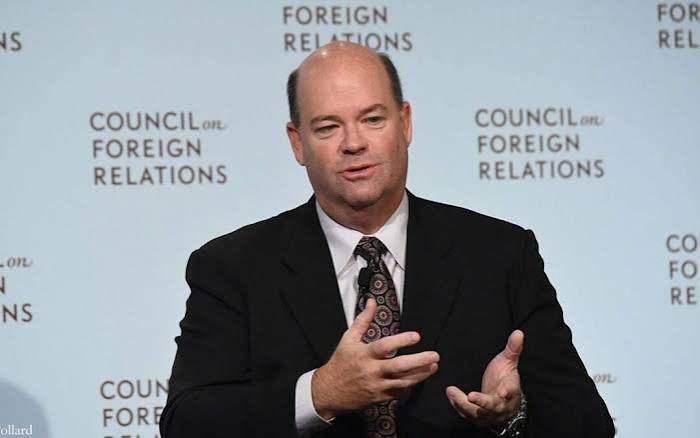
Ryan Lance’s professional story reflects a different kind of public influence. After decades in the oil and gas industry, he became chairman and chief executive officer of ConocoPhillips in May 2012. In September 2026, he moved into an executive chairman role as part of a leadership transition, following the appointment of Andy O’Brien as president and CEO. His career illustrates the responsibilities involved in managing a major energy company whose decisions affect employees, investors, communities, and energy markets. Source: ConocoPhillips
Two Different Forms of Leadership
Comparing Pele and Ryan Lance reveals how leadership changes according to the environment in which it operates. In football, leadership may appear through teamwork, discipline, creativity, and the ability to perform under pressure. In the energy industry, it involves strategic planning, financial decisions, operational management, and responding to changing public expectations. Nevertheless, both fields require people to make difficult decisions while remaining accountable to others. Their careers demonstrate that influence is not limited to one profession; rather, it develops through expertise, responsibility, and the consequences of individual actions.
The Cultural Impact of Pele’s Legacy
Pele’s importance cannot be measured solely through statistics. His achievements helped football become an increasingly powerful international cultural language, connecting audiences across continents. Furthermore, his success offered a source of pride for Brazil and helped introduce generations of international fans to the country’s distinctive football tradition. He also played for the New York Cosmos late in his career, contributing to the sport’s visibility in the United States. Following his death on December 29, 2022, tributes from the sporting world reflected the enduring emotional connection between Pele and his admirers. Source: FIFA
The Modern Challenges Facing Energy Executives
Ryan Lance’s professional environment presents a different set of challenges. Energy companies must consider reliable supplies, economic conditions, technological developments, government policies, and environmental concerns. Consequently, leadership in this sector involves balancing commercial objectives with wider questions about society’s future energy needs. The choices made by executives can influence investment, employment, and long-term business strategy. Although these responsibilities differ considerably from those of a football legend, they demonstrate how prominent individuals can become associated with issues extending well beyond their immediate workplaces.

Why Their Stories Offer an Interesting Comparison
The connection between Pele and Ryan Lance is primarily comparative rather than a documented personal or professional relationship. There is no established evidence that the two shared a significant partnership or collaborated on a notable project. However, considering them together offers a useful way to explore the many forms of achievement in modern society. One represents sporting excellence and cultural memory, while the other represents corporate leadership in a strategically important industry. Their contrasting careers invite readers to consider how fame, responsibility, and influence differ across professional boundaries.
What Their Careers Teach About Lasting Influence
Pele’s legacy demonstrates that extraordinary sporting achievements can become part of a nation’s cultural identity and the world’s collective memory. Meanwhile, Ryan Lance’s career illustrates how executive leadership is shaped by long-term decisions, institutional responsibilities, and changing economic circumstances. Importantly, neither form of influence should be understood through public recognition alone. Achievement also depends on the people affected by an individual’s work and the broader consequences of their decisions. In this sense, both careers encourage a more thoughtful understanding of what it means to leave a lasting mark.
Conclusion: Different Paths, Different Legacies
Pele and Ryan Lance occupy distinct places in public life, yet their stories provide a meaningful comparison of sporting and corporate influence. Pele became an enduring symbol of football’s ability to inspire, unite, and transcend cultural boundaries. Ryan Lance built a career navigating the complexities of a global energy business and its responsibilities. Their experiences are not interchangeable, nor should their achievements be measured by the same standards. Instead, their contrasting legacies remind us that influence takes many forms, shaped by professional purpose, public expectations, and the lasting effects of individual contributions.