Introduction: timbre meaning Begins With the Character of Sound
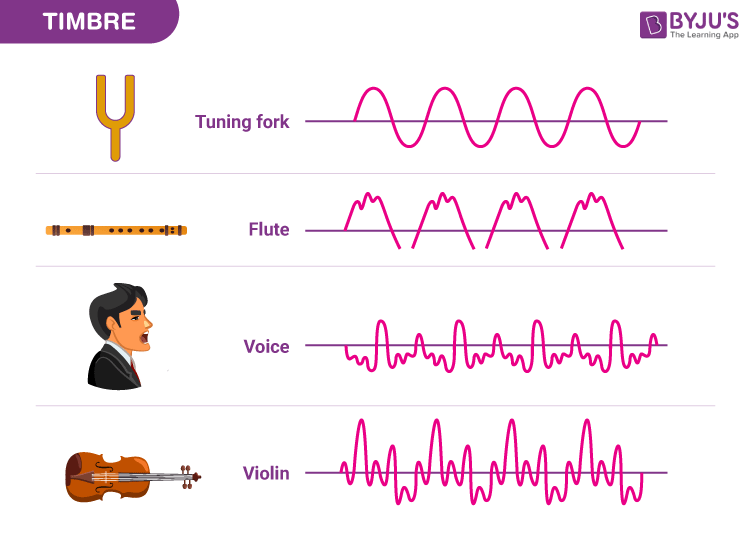
timbre meaning is best understood as the distinctive character or quality that makes one sound different from another, even when both sounds have the same pitch and loudness. In everyday listening, it is what allows us to recognize a familiar voice, distinguish a violin from a flute, or identify a particular singer within a crowded performance. Moreover, timbre gives sound its personality. It is not simply about how high, low, loud, or quiet something is; instead, it describes the texture and identity carried by sound itself.
timbre meaning and the Personality of Music
In music, timbre is one of the elements that turns technical notes into an expressive experience. A melody played on piano can feel intimate, while the same melody performed by a trumpet may sound bright, commanding, or ceremonial. Similarly, two singers can perform identical notes yet create completely different impressions because their voices contain different tonal qualities. Therefore, timbre meaning becomes especially important when discussing musical expression. It helps explain why listeners often develop strong emotional connections to particular instruments, performers, recordings, and even individual sounds.
How Timbre meaning Shapes What the Ear Recognizes
The human ear constantly uses sound characteristics to identify sources. Before consciously thinking about what we hear, we may recognize a friend’s voice, a ringing telephone, or footsteps approaching from another room. This recognition happens partly because each source produces a distinctive combination of frequencies and resonances. Consequently, timbre meaning extends beyond music into ordinary life. The sound of a particular environment can become emotionally memorable, too. A train station, childhood home, classroom, or busy street may carry a recognizable acoustic identity that remains surprisingly powerful in memory.
Timbre meaning in the Human Voice
The human voice provides perhaps the clearest example of why sound character matters. Voices can be warm, breathy, sharp, husky, bright, dark, smooth, nasal, or resonant, and these qualities contribute to how listeners perceive personality and emotion. Although vocal timbre can change with age, technique, environment, and physical condition, many people retain recognizable vocal characteristics for years. Furthermore, voice quality plays an important role in storytelling, broadcasting, acting, and singing. A compelling voice can communicate emotion before the listener has fully processed the words being spoken.
What Creates Timbre?
Several physical and acoustic factors work together to create timbre. When an instrument or voice produces a note, it generally generates a fundamental frequency alongside additional frequencies called overtones or harmonics. Their relative strengths influence the resulting sound character. The material, shape, construction, playing technique, and resonance of an instrument can therefore make an enormous difference. For example, wood, metal, strings, air columns, and electronic circuits each interact with vibration differently. As a result, identical pitches can possess dramatically different identities depending on their source.
timbre meaning Across Instruments and Musical Traditions
Different musical cultures demonstrate how deeply timbre influences artistic identity. The bright resonance of certain percussion instruments, the sustained voice of a bowed string instrument, or the breath-driven character of a traditional wind instrument can immediately establish a cultural setting. Meanwhile, modern production has expanded these possibilities through synthesizers, sampling, digital processing, and studio effects. Thus, timbre meaning is not fixed within one musical tradition. Instead, artists continually reshape the sonic vocabulary available to them, creating new textures while drawing inspiration from older acoustic practices.
Why Timbre Can Change the Emotional Meaning of a Song
A song’s emotional impact is often connected to its sonic texture as much as its lyrics or melody. A delicate vocal timbre can make a performance feel vulnerable, whereas a distorted guitar may introduce tension, rebellion, or urgency. Likewise, a warm recording can create intimacy, while a deliberately harsh production may make listeners feel unsettled. Importantly, these responses are influenced by personal experience and cultural expectations. Nevertheless, musicians and producers understand that changing sound character can transform the atmosphere of a composition without changing its fundamental melody.
timbre meaning in Film, Television, and Everyday Media
Outside traditional music, sound character is central to visual storytelling. Film composers and sound designers use distinctive sonic textures to establish suspense, nostalgia, danger, comfort, or wonder. A low mechanical rumble may suggest something threatening, while a soft acoustic texture can make a scene feel personal and familiar. In television, advertising, podcasts, and games, carefully selected sounds can become recognizable signatures. Therefore, understanding timbre meaning helps explain why audiences sometimes remember the soundscape of a film or advertisement almost as vividly as its images and dialogue.
A Simple Guide to Understanding Timbre
| Sound Feature | What It Tells Us | Simple Example |
|---|---|---|
| Pitch | How high or low a sound is | High note vs. low note |
| Loudness | How strong or quiet it is | Whisper vs. shout |
| Timbre | The sound’s distinctive character | Piano vs. violin playing the same note |
| Rhythm | How sounds are organized in time | Fast beat vs. slow beat |
This distinction is useful because these concepts often overlap in casual conversation. However, they describe different listening experiences. Pitch concerns frequency, loudness concerns intensity, and rhythm concerns timing, while timbre focuses on the qualities that allow one sound source to be distinguished from another. Once these differences become clear, listening itself can become more attentive. Even ordinary sounds begin to reveal layers that might previously have gone unnoticed.
The Cultural Side of Timbre meaning
Sound is never experienced in a completely neutral way. Communities develop associations with particular instruments, vocal qualities, recording styles, and acoustic environments. A certain sound may suggest celebration in one culture and solemnity in another. Similarly, historical recordings often carry a recognizable sonic character that reflects the technology and aesthetic preferences of their period. Because of this, timbre meaning has a cultural dimension as well as a scientific one. It connects physical vibration with memory, identity, place, technology, and the evolving ways societies choose to express themselves.
FAQs About timbre meaning
What does timbre mean in simple terms?
Timbre describes the unique quality or character of a sound. It explains why two instruments can play the same note at the same volume but still sound completely different.
Is timbre the same as pitch?
No. Pitch tells us whether a sound is relatively high or low, whereas timbre helps identify the character and source of that sound. Both contribute to how we experience music.
Why is timbre important in music?
Timbre gives instruments and voices their individual identities. It also helps musicians communicate mood, emotion, contrast, and atmosphere, making compositions more expressive and recognizable.
Can timbre change?
Yes. Timbre can change through performance technique, instruments, recording equipment, acoustics, vocal production, and digital processing. Even the same performer can produce noticeably different sound qualities.
Conclusion: Listening Beyond the Note
Ultimately, timbre meaning invites us to listen beyond the basic structure of sound. A note is more than a measurable frequency, and a voice is more than a sequence of words. Through texture, resonance, harmonics, and performance, sound acquires identity and emotional presence. Moreover, this quality connects science with culture and technology with memory. Once listeners begin paying attention to timbre, familiar environments can seem newly detailed. The world has always been filled with distinctive sounds; understanding them simply gives us a richer way to hear.