
Introduction
Marvin Ellison and Greg Garland represent two distinct paths to executive leadership in American business. Ellison is recognized for his work in retail, particularly at Lowe’s, while Garland built his career in the energy industry through his leadership at Phillips 66. Although their professional responsibilities developed in different sectors, their careers highlight a shared challenge: guiding large organizations through changing markets while balancing operational performance, investment, and long-term growth. Their experiences also offer a broader perspective on how leadership expectations evolve as businesses respond to economic uncertainty, technological developments, and changing public priorities.
Two Executives With Different Professional Backgrounds
Understanding these business leaders requires examining the industries that shaped their careers. Ellison developed his expertise in retail management, where customer expectations, store operations, and supply-chain efficiency influence business performance. His position at Lowe’s placed him in a competitive market closely connected to housing activity and home-improvement spending.
Garland, by contrast, became a prominent executive in the energy sector. At Phillips 66, he was responsible for leading a company with extensive refining, midstream, and marketing operations. His work involved navigating commodity-market fluctuations, infrastructure requirements, and the complex economics of energy production and distribution.
| Executive | Industry | Notable position |
|---|---|---|
| Marvin Ellison | Retail | Chairman, president, and CEO of Lowe’s |
| Greg Garland | Energy | Former chairman and CEO of Phillips 66 |
Their careers illustrate how executive responsibilities are shaped by industry conditions. Nevertheless, both roles require strategic judgment, organizational coordination, and the ability to make decisions whose effects extend beyond immediate financial results.
Marvin Ellison and the Transformation of Modern Retail
Retail leadership has become increasingly complex as customers move between physical stores and digital platforms. Consequently, executives must consider more than product selection and pricing. They also need to understand customer behavior, improve distribution networks, and ensure that shopping experiences remain convenient and reliable.
At Lowe’s, these challenges are especially relevant because home-improvement spending often reflects broader housing and economic conditions. When homeowners undertake renovations, demand for building materials, tools, and related products can rise. However, higher borrowing costs or uncertainty about household finances may lead consumers to postpone larger projects.
Ellison’s leadership therefore sits within a market that requires both operational discipline and adaptability. Retailers must maintain product availability, support professional contractors, and provide effective service while controlling costs. In addition, digital ordering and fulfillment capabilities have become important parts of the customer experience.
Ultimately, retail leadership involves connecting corporate strategy with everyday customer needs. Even the most ambitious plans depend on store employees, distribution teams, and technology working together effectively.
Greg Garland and the Challenges of Energy Leadership
The energy industry operates according to a different set of economic and operational pressures. Companies such as Phillips 66 manage large industrial assets, complex transportation networks, and investments that may take years to deliver their full value.
During Garland’s tenure as chief executive, Phillips 66 operated in an environment influenced by global demand, refining margins, commodity prices, and changing regulations. These factors made capital allocation and operational reliability central considerations. Moreover, energy businesses must maintain demanding safety standards while managing facilities and infrastructure that support transportation and industrial activity.
The industry also faces broader questions about environmental performance and the future energy mix. Although conventional fuels remain important to many economic activities, companies must evaluate evolving technologies, efficiency improvements, and changes in long-term demand.
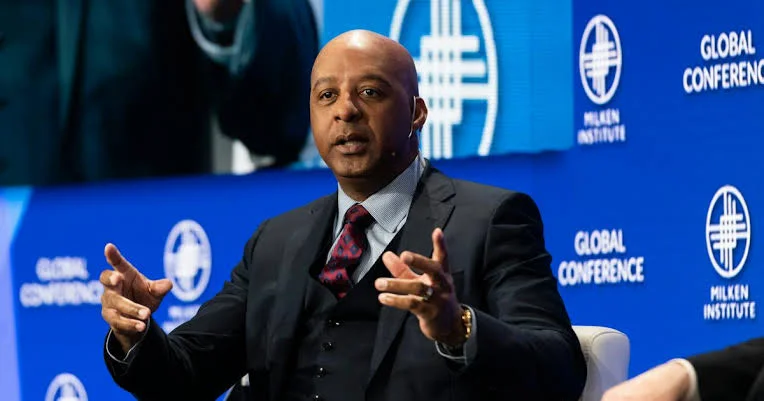
Garland’s career demonstrates the importance of understanding these interconnected pressures. Energy leadership requires a careful balance between current market opportunities and the long-term risks associated with major investments. As a result, executives must assess not only potential returns but also operational resilience and the wider consequences of their decisions.
Comparing Leadership Across Two Industries
The differences between retail and energy reveal why leadership strategies must reflect the realities of each business. Retail organizations respond directly to customer purchasing patterns, competition, and inventory requirements. Energy companies, meanwhile, often depend on industrial assets and infrastructure whose performance is influenced by international markets and long investment cycles.
Nevertheless, several principles apply to both sectors. First, leaders must understand the financial and operational drivers of their organizations. Second, they must communicate priorities clearly across large workforces. Finally, they need to prepare for changing conditions without abandoning the capabilities that support current performance.
Technology also plays an important role in both industries, although its applications differ. Retailers use digital systems to improve shopping convenience, manage inventory, and understand customer demand. Energy companies use technology to monitor equipment, improve operational efficiency, and support maintenance planning.
Therefore, the comparison is less about deciding which industry presents greater challenges and more about understanding how different circumstances demand different leadership responses.
The Human Side of Corporate Decision-Making
Executive decisions often appear in financial reports as changes in costs, investments, or operating performance. Yet these decisions also affect people whose experiences rarely appear in corporate headlines.
In retail, staffing, training, store processes, and customer-service standards influence employees and shoppers. Similarly, energy-company decisions concerning maintenance, safety, and infrastructure investment can affect workers, suppliers, and communities connected to industrial facilities.
For this reason, effective leadership requires attention to the human consequences of business strategy. Employees need clear expectations, appropriate resources, and opportunities to develop their skills. Furthermore, organizations undergoing change benefit when leaders explain why decisions are being made and how teams will be affected.
These considerations are particularly important as companies introduce new technologies and respond to changing market conditions. Although efficiency and financial performance remain important, sustainable organizational progress also depends on workforce capability and trust.
The careers of Ellison and Garland provide different examples of the environments in which these responsibilities arise. In both cases, however, corporate strategy ultimately depends on people turning plans into practical results.
What Their Careers Tell Us About American Business
American corporations operate in an environment shaped by economic cycles, technological change, regulation, and shifting public expectations. Retail and energy may serve different markets, but neither can ignore these wider forces.
For instance, interest rates can influence home-improvement spending while also affecting the cost of financing major industrial investments. Meanwhile, supply-chain disruptions can create difficulties for retailers and energy companies alike, although the consequences vary according to their business models.
Executives must therefore combine detailed industry knowledge with a wider understanding of economic conditions. They need to distinguish temporary market pressures from structural changes that may require a different long-term strategy.
Moreover, leadership increasingly involves explaining corporate priorities to multiple audiences, including employees, investors, customers, and communities. Financial results remain important, but organizations are also judged by their reliability, adaptability, and approach to responsibility.
The professional paths of Ellison and Garland demonstrate that successful leadership is not simply a matter of personal ambition. It requires aligning business decisions with the practical demands of an industry while preparing the organization for what may come next.
Conclusion
Marvin Ellison and Greg Garland illustrate two different approaches to the responsibilities of executive leadership. Ellison’s career highlights the importance of customer experience, operational efficiency, and adapting to changing retail behavior. Garland’s experience reflects the demands of energy infrastructure, commodity markets, and long-term investment decisions.
Their careers are separate professional stories rather than evidence of a direct partnership. Nevertheless, examining them together reveals how leadership principles can be shared even when the challenges themselves differ considerably.
Ultimately, strong leadership requires more than financial expertise or strategic ambition. It depends on understanding an organization’s operating environment, making informed decisions under uncertainty, and recognizing the people affected by those decisions. In a business world that continues to evolve, these responsibilities remain central to building resilient companies and maintaining public confidence.