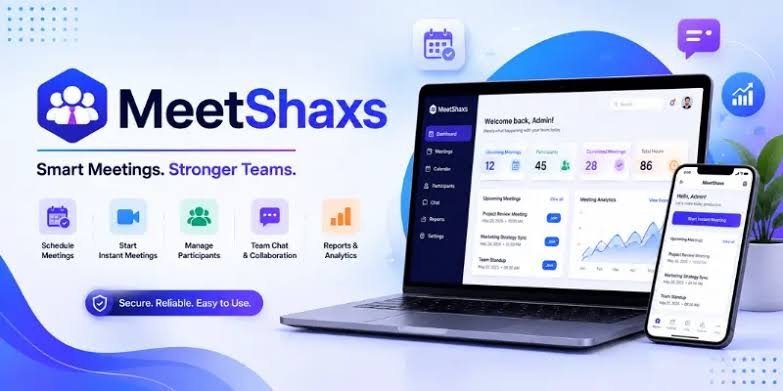
new software meetshaxs is an intriguing phrase that appears to point toward a software concept, digital platform, or emerging technology initiative. In a technology environment where new products can attract attention almost overnight, unfamiliar names often become starting points for curiosity. However, when a term has limited publicly established context, the most responsible approach is to examine what it suggests without inventing technical specifications or claiming features that cannot be verified.
Why New Software Ideas Capture Attention
Software has become one of the most influential forms of modern innovation. Unlike physical products, digital tools can evolve quickly, reach international audiences, and change substantially through updates. Consequently, a new software name can generate interest before users fully understand what it does.
The phrase new software meetshaxs fits naturally into this broader environment. It evokes the feeling of an emerging digital project whose identity may still be developing. Moreover, unfamiliar software names encourage people to ask practical questions: Who created it? What problem does it solve? Who is it designed for? And, importantly, does it offer something genuinely useful?
The Story Behind an Unfamiliar Software Name
Every successful software product eventually develops a recognizable identity. That identity can come from its name, interface, community, purpose, or the problem it solves. Yet before those elements become established, a new platform may exist in a period of uncertainty.
That makes new software meetshaxs an interesting editorial subject. Rather than assuming that the name represents a specific established application, it is more useful to consider it as an example of how digital concepts enter public conversation. Today, users encounter countless software names through search engines, social networks, technology communities, and online publications. Some become major products, while others remain niche experiments.
From Idea to Digital Identity
Creating software is only one part of building a successful technology product. Equally important is developing a clear identity that users can understand. A memorable name needs to communicate something, even when the underlying technology is sophisticated.
For an emerging concept such as new software meetshaxs, clarity would therefore be essential if it is intended to become a recognizable product. Users generally want to understand a platform quickly. They need to know what it does, why it matters, and how it differs from alternatives.
Furthermore, a strong digital identity can help a product establish trust. In an increasingly crowded technology market, people are cautious about unfamiliar applications. Clear information, transparent policies, sensible design, and reliable communication can make the difference between curiosity and long-term adoption.
What Users Expect From Modern Software
Modern users have developed increasingly high expectations. Software is no longer judged solely by whether it technically works. Instead, people consider usability, accessibility, privacy, performance, reliability, and overall experience.
A promising software project must therefore think beyond its core function. If new software meetshaxs represents an emerging digital tool, its potential would ultimately depend on how effectively it responds to real user needs.
| Area | What Users Commonly Look For |
|---|---|
| Usability | Simple navigation and understandable features |
| Performance | Fast and dependable operation |
| Security | Responsible handling of user information |
| Accessibility | An experience suitable for different users |
| Support | Clear help and communication |
| Value | A meaningful reason to use the product |
These expectations reflect a larger change in digital culture. People increasingly expect technology to fit naturally into their routines rather than forcing them to adapt to complicated systems.

The Human Side of Software Innovation
Technology discussions often focus on specifications, artificial intelligence, processing power, or new features. However, software ultimately exists for people. Behind every download, login, search, or digital interaction is a person trying to accomplish something.
That human perspective is particularly important when discussing unfamiliar technology. A new application may have sophisticated engineering, but its success depends on whether ordinary people find it useful. Therefore, new software meetshaxs can be considered within a larger conversation about human-centered innovation.
For example, successful software often removes friction from everyday activities. It might help people organize information, communicate, create content, learn something, manage work, or solve a previously frustrating problem. The technology becomes valuable because of the experience it enables.
Why Transparency Matters for Emerging Platforms
As software becomes more deeply integrated into everyday life, transparency has become increasingly important. Users want to understand what an application collects, how information is handled, and what permissions are required.
This is especially relevant to unfamiliar software. When people encounter a name they do not recognize, they naturally look for evidence of credibility. Clear documentation and straightforward explanations can help establish confidence, while vague claims can have the opposite effect.
Consequently, any project associated with new software meetshaxs would benefit from communicating its purpose in plain language. A strong technological idea should not require users to decode complicated promotional language before understanding its basic value.
The Culture of Constant Digital Change
The technology industry operates at remarkable speed. New applications appear, existing services change direction, and entire categories can develop around previously unfamiliar ideas. As a result, the modern software landscape is less like a fixed library and more like a constantly changing ecosystem.
This culture creates opportunities for independent developers and small teams. A modest project can potentially reach a global audience without requiring the infrastructure that traditional businesses once needed. At the same time, competition is intense. Thousands of digital products compete for attention, and users have limited time to evaluate them.
In that environment, the story surrounding a software product can become almost as important as the technology itself. People want to understand not only what a product does, but also why it was created and what problem its creators hope to address.
What Could Make an Emerging Platform Stand Out?
Distinctiveness is increasingly difficult to achieve. Many software products offer similar categories of functionality, meaning that simply adding another feature may not be enough.
Instead, an emerging platform can stand apart through thoughtful design, a focused purpose, dependable performance, and an authentic understanding of its audience. Community can also become important. Users who feel heard are more likely to provide feedback and remain engaged.
If new software meetshaxs develops into a recognizable digital product, these principles could shape how audiences perceive it. Ultimately, technology becomes memorable when it creates a meaningful connection between a problem and a practical solution.
A More Thoughtful Way to Judge New Software
When encountering an unfamiliar software name online, readers should resist the temptation to judge it solely by promotional language. A more useful approach is to ask several straightforward questions.
What problem does the software solve? Is that problem genuinely important? Is the product transparent about its ownership and policies? Does it explain its functionality clearly? Does it provide meaningful support? And does it demonstrate evidence of continued development?
These questions shift attention away from novelty and toward usefulness. After all, being new does not automatically mean being innovative, while being unfamiliar does not necessarily mean being unreliable.
The Future of Software Is Becoming More Human
The next generation of software will likely continue moving toward experiences that feel more personalized, accessible, and integrated into everyday life. Artificial intelligence, automation, cloud computing, and connected services are already reshaping how people interact with technology.
Yet the fundamental principle remains surprisingly simple: useful software should make something easier, clearer, faster, or more meaningful.
That perspective provides a sensible framework for considering new software meetshaxs. Whether the phrase eventually becomes associated with a specific platform, an emerging project, or simply a search-driven technology topic, it reflects the wider curiosity surrounding new digital ideas.
Conclusion: Beyond the Name
new software meetshaxs represents the kind of unfamiliar technology phrase that invites exploration in an era of constant digital change. Without reliable information establishing a specific product or feature set, it would be misleading to manufacture details. Instead, the more meaningful discussion lies in understanding how new software concepts earn attention, build trust, and eventually become part of people’s everyday lives.
Ultimately, successful technology is not defined simply by how new it is. It is defined by what it enables people to do. A memorable name may open the door, but usefulness, transparency, thoughtful design, and human relevance are what encourage users to stay.